
Termites (deemak) cause silent damage in Patna homes every monsoon. Learn the early signs, how drill-fill-seal and pre-construction treatment work, and how to prevent them.
Termites, or दीमक, are one of the most expensive pest problems in Patna. They live in the soil, travel through hairline cracks in floors and walls, and eat wood from the inside, so the damage often stays hidden until a door frame crumbles or a cupboard full of books is ruined. The city's monsoon, waterlogging in low-lying colonies and the mix of old and new buildings make termites a common problem here.
Early signs of termites
- Mud tubes: thin, pencil-width tunnels of soil running up walls, skirting, pipes or foundations.
- Hollow wood: door and window frames that sound hollow or give way when pressed.
- Discarded wings: small piles of wings near windows and lights after the first monsoon rains, left by swarming termites.
- Bubbling paint or tiny holes in wooden surfaces.
- Damaged paper: books, files and cardboard kept in cupboards or store rooms.
- Sticking doors and windows that suddenly become hard to close.
Why termites are common in Patna
Subterranean termites need moisture. Patna's monsoon runs roughly from mid-June to September, and many neighbourhoods see waterlogging that keeps the soil damp for weeks. Older houses often have wooden frames, beams and furniture in direct contact with walls, and new construction can disturb existing colonies in the soil. This is why termite activity, and swarming, usually becomes visible during and right after the rains.
How professional termite treatment works
Post-construction (existing buildings)
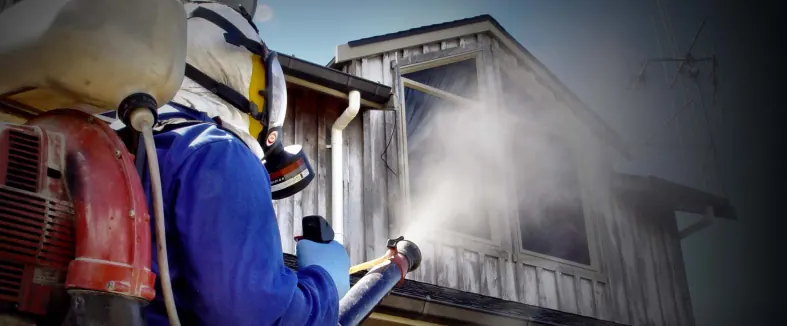
The standard method is drill-fill-seal. Small holes are drilled at regular intervals along the inside walls where the floor meets the wall, and around affected areas. A registered termiticide is injected to soak the soil and masonry, creating a treated zone that termites cannot cross. The holes are then sealed with white cement. Infested wood and furniture are treated separately by spraying or injection.
Pre-construction (new buildings)
If you are building a new house, the most effective protection is soil treatment before the foundation and flooring are laid, as described in the Indian Standard IS 6313. The foundation trenches, plinth fill and the soil around the building are treated in stages as construction progresses. Plan this with your contractor before work starts, because it cannot be done properly once the flooring is complete.
Why DIY sprays rarely work for termites
Spraying insecticide on visible mud tubes kills the few termites in that tube, but the colony lives in the soil below and simply builds a new route. Kerosene, phenyl and similar home remedies can also damage wood and finishes. A proper treatment targets the soil and the entry points, which is why it lasts much longer.
Prevention tips after treatment
- Fix leaking taps, pipes and roof seepage quickly; damp walls attract termites.
- Keep firewood, old furniture and cardboard away from walls and off the floor.
- Leave a small gap between wooden furniture and the wall.
- Inspect store rooms, wardrobes and bookshelves once after every monsoon.
- Inform your pest control provider before adding new wooden flooring or furniture.
Frequently asked questions
Is drilling really necessary?
For subterranean termites, yes. Drilling allows the termiticide to reach the soil and wall joints that termites use to enter. The holes are small and sealed afterwards.
How long does anti-termite treatment last?
A properly done treatment protects for several years, but the exact period depends on the product, soil, moisture and any later construction work. Ask your provider for the service period in writing.
Can I stay at home during treatment?
Usually yes. Furniture needs to be moved slightly away from walls, and the treated area should be kept dry for a day after sealing.